Skip to content
Shaolin Wing Chun SWC

Founding of Shaolin Wing Chun

From formative training and a museum mandate to research, the 2015 rebirth, and temple recognition—the path of Shaolin Wing Chun.

Share

Chapter I

Formative Path

1970 — 1995

Grandmaster Benny Meng, a 73rd-generation descendant of Mencius, trains across systems from age ten, then commits to Wing Chun under Sifu Lee Hoi Sang, Sifu Moy Yat, and Ip Ching.
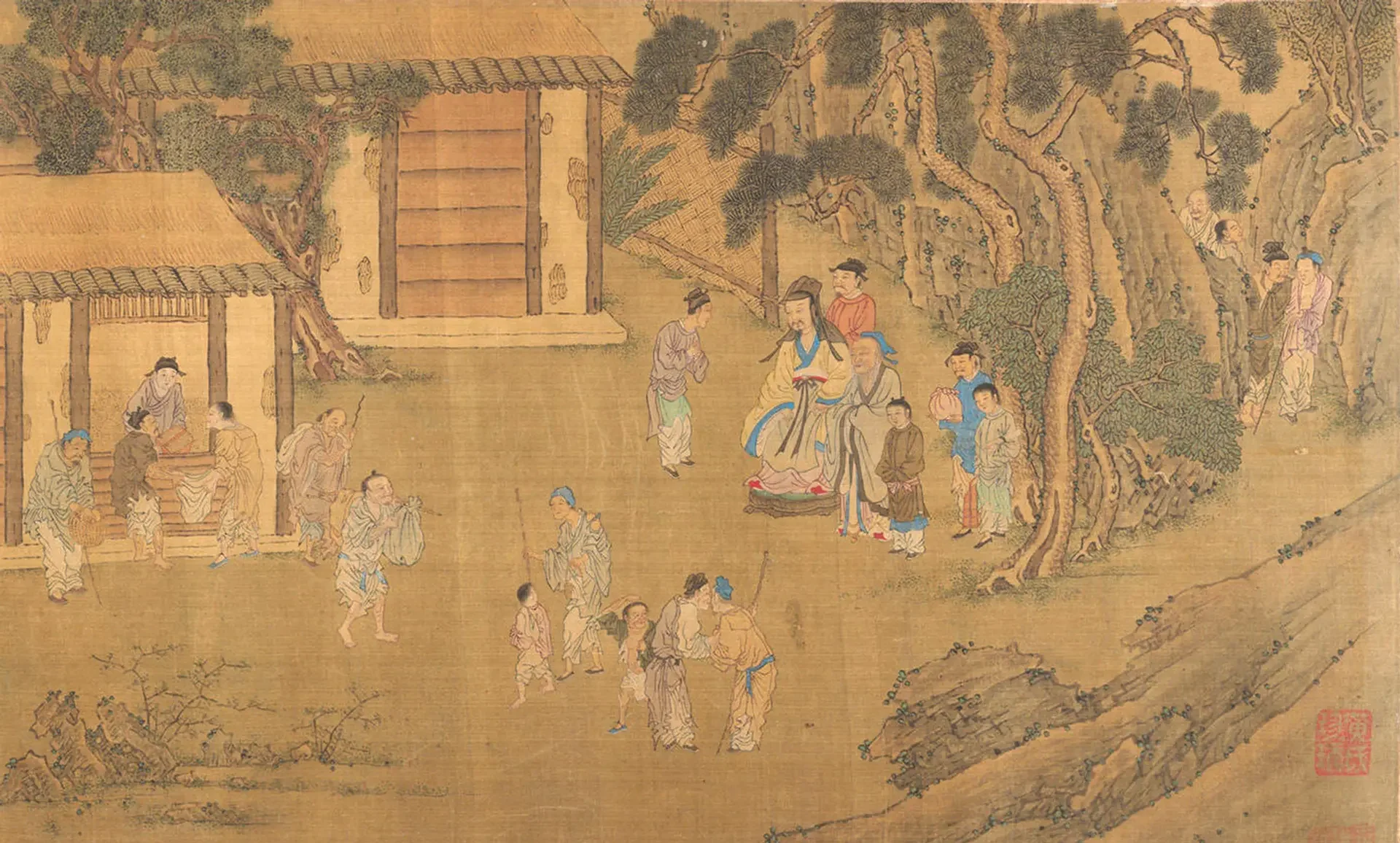
Classical painting of Mencius, ancestral namesake of Grandmaster Benny Meng 1970s

Scholar of Combat

From age ten: Judo in Hong Kong, Tae Kwon Do in the United States, then Tai Chi Mantis, Shaolin, and Chi Kung in Asia.
Heritage Grandmaster Benny Meng, a 73rd-generation descendant of Mencius, began training at age ten. He studied Judo in Hong Kong in 1970. In 1974 he studied Tae Kwon Do under Grandmaster Y.C. Kim, 9th Dan, WTF, and under Grandmaster K.J. Park, former Head Judge at the Kukkiwon. In 1981 in Hong Kong he studied Tai Chi Mantis and Wing Chun. In 1983 he trained at a Shaolin temple and at Sichuan Sports University. In 1985 he trained Tae Kwon Do with the Korean National Team, and Shaolin and Chi Kung in Taiwan.
Key figures GM Meng; Grandmaster Y.C. Kim; Grandmaster K.J. Park
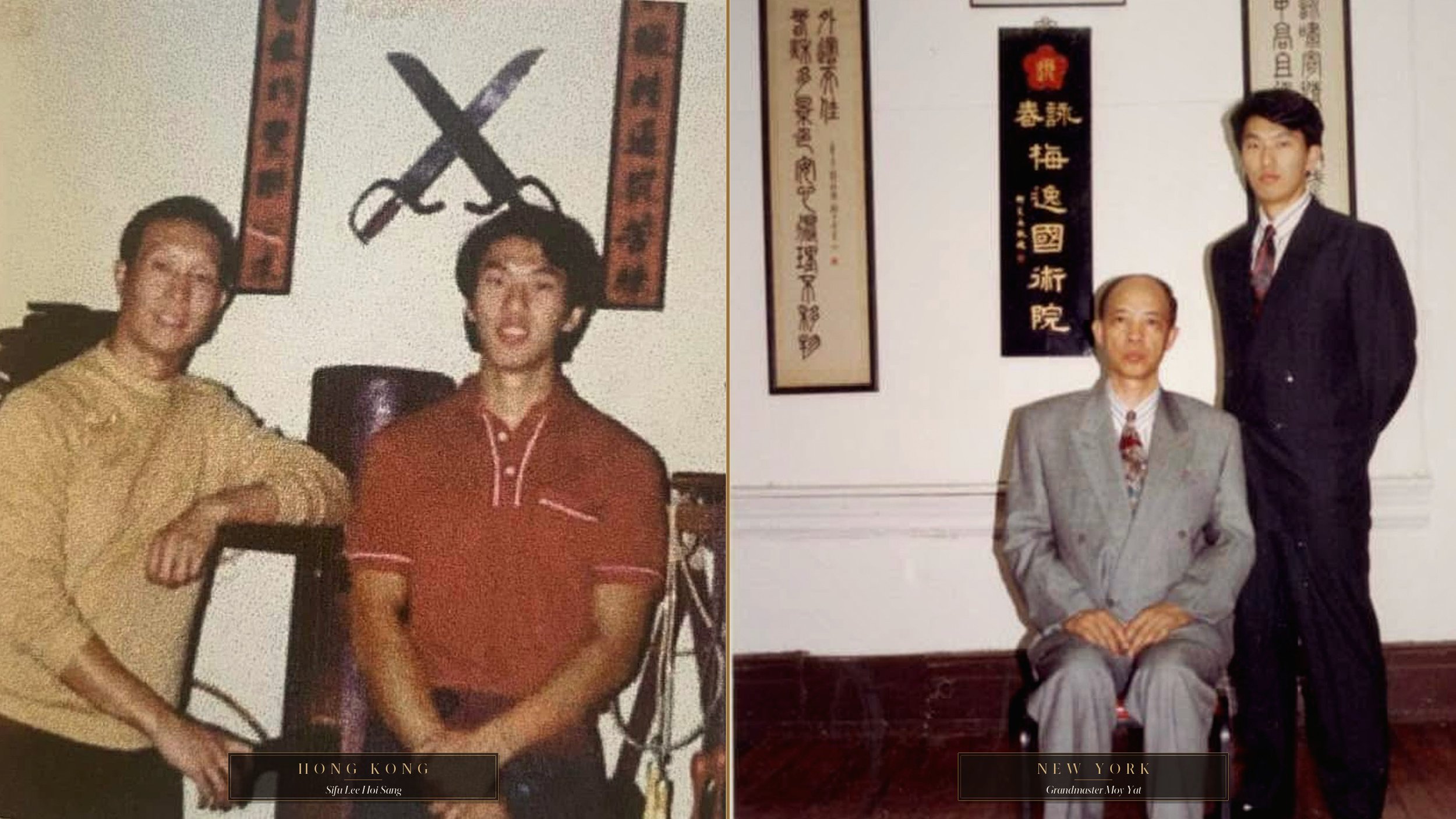
GM Meng with Sifu Lee Hoi Sang in Hong Kong and Grandmaster Moy Yat in New York 1982–1995

Hong Kong & New York Masters

Formal Wing Chun under Sifu Lee Hoi Sang, full-time training with Sifu Moy Yat, then private lessons with Ip Ching.
Lineage immersion In 1982 he began formal Wing Chun in Hong Kong under Sifu Lee Hoi Sang, a student of Jiu Wan: one year of intensive study, then a return to the United States. In 1985 he trained full-time under Sifu Moy Yat in New York and began teaching in 1986. In 1994 he took up advanced private study with Moy Yat again. In 1995, with Moy Yat’s blessing, he took extensive private lessons with his Sibaak, Ip Ching. He was certified Senior Instructor (7th Degree) by the Ving Tsun Athletic Association and the Moy Yat federation.
Key figures Sifu Lee Hoi Sang; Grandmaster Moy Yat; Grandmaster Ip Ching; Jiu Wan lineage seniors
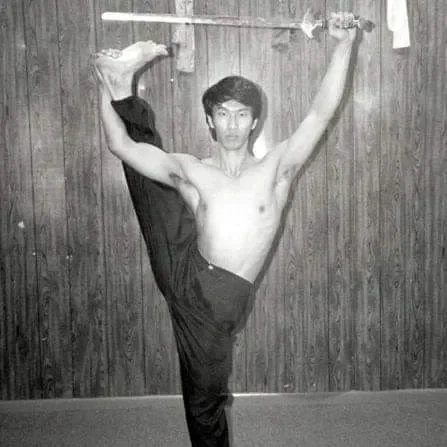
GM Meng in an early teaching-era demonstration with sword 1986–1994

Teaching Begins

Formal teaching began in 1986. Meng’s Martial Arts is in Dayton, Ohio. From January 1994, Simo Sunmi Park-Meng ran the school.

Institution seed Teaching from 1986 grew into Meng’s Martial Arts in Dayton, Ohio. Simo Sunmi Park-Meng ran the school from January 1994. She is counted in the 10th generation with Grandmaster Meng, and she earned a 4th Degree Black Belt in 2015.
Key figures GM Meng; Simo Sunmi Park-Meng

Chapter II

The Museum Mandate

1993 — 1998

At Sifu Moy Yat’s suggestion, Meng founded the Ving Tsun Museum in 1993 to study the art, not any single teacher or lineage. The grand opening in Dayton was in 1998.
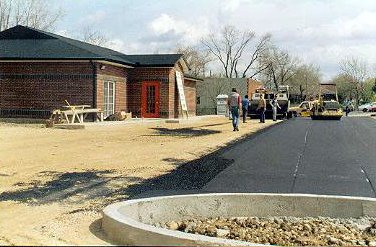
Ving Tsun Museum building during construction in Dayton, Ohio 1993

Ving Tsun Museum Founded

The 1993 project in Dayton was organized as a nonprofit. Meng mortgaged his home and businesses to fund the research.
Foundation The research program covered more than three million travel miles, one hundred research trips, and private interviews with over thirty grandmasters across ten lineages, plus public workshops, twenty-five major articles, and six books.
Key figures GM Meng (Curator); VTM research team; supporting students & family
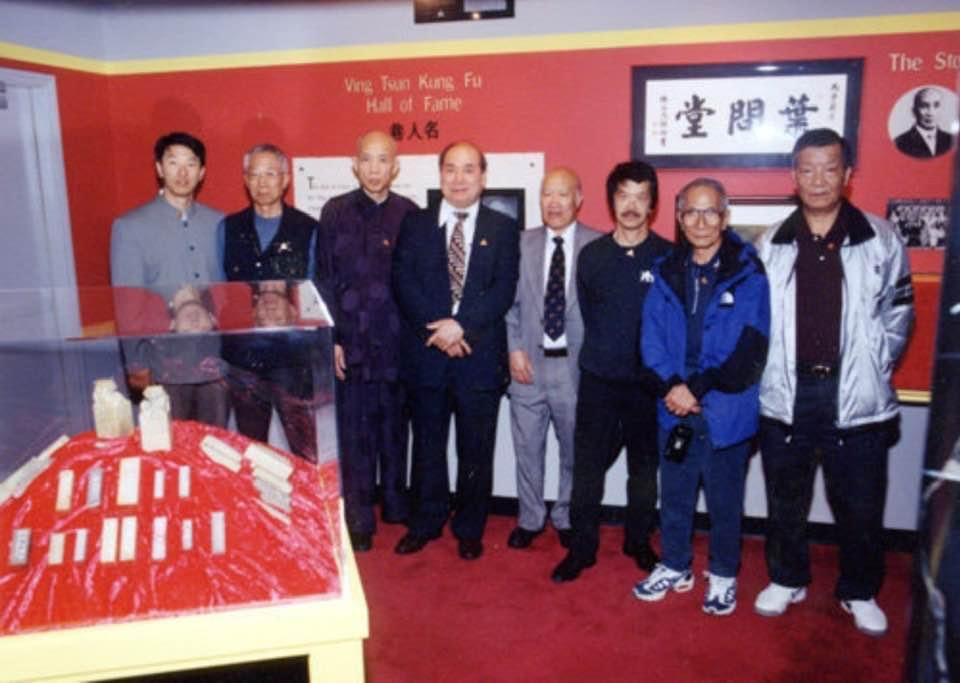
Grandmasters gathered at the Ving Tsun Museum Hall of Fame for the opening 1998

Grand Opening in Dayton

The 1998 grand opening gathered Ip Man’s direct students—the first gathering of that scale since his passing.

Unity In attendance were Ip Chun, Ip Ching, Moy Yat, Chu Shong Ting, Hawkins Cheung, Mak Po, and Moy Bing Wah. Ip Chun and Ip Ching served on the Board of Advisors. After they returned to Foshan, their report helped lead to the Ip Man Tong, which later helped inspire Checkley Sin’s Ip Man film.
Key figures Ip Chun; Ip Ching; Moy Yat; Chu Shong Ting; Hawkins Cheung; Mak Po; Moy Bing Wah

Chapter III

The Research Era

1993 — 2015

From 1993 through 2015, Meng led field research: more than three million miles, and interviews with over thirty grandmasters across ten lineages.
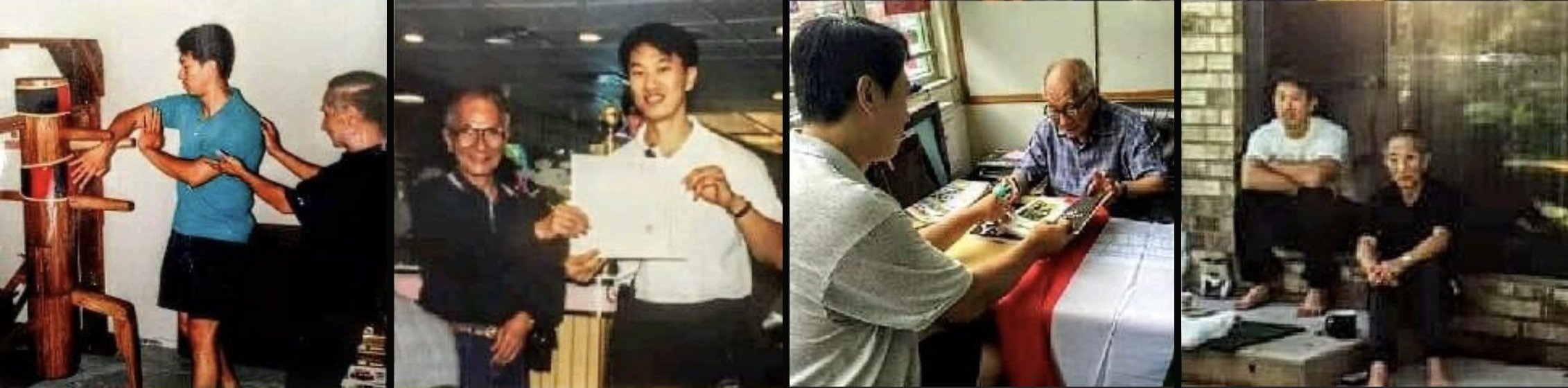
GM Meng documenting Ip Man lineage families through training, certification, research, and conversation 1993–1998+

Phase One: Documenting the Families

Direct training and dialogue with senior Ip Man lineage holders—then expansion into earlier and parallel systems.
Scope Phase One began in 1993 with senior representatives of the Ip Man line: Chu Shong-Tin, Wong Shun-Leung, Mak Bo, Moy Yat, Ho Kam-Ming, Ip Ching, Ip Chun, Hawkins Cheung, Moy Bing-Wah, William Cheung, and Leung Ting. From 1998 the work widened to Jiu Wan (through Chan Yiu-Min and Lee Hoi Sang), Chan Wah-Shun, Gu Lao–Leung Jan, Yuen Kay-Shan / Sum Nung, Pan Nam, Red Boat, Traditional Wing Chun, Ng Mui Wing Chun, Hung Fa Yi, and Hek Ki Boen Eng Chun, plus cousin arts: Chi Sim Weng Chun, Hung Ga, Choi Lay Fut, Five Ancestor, Southern Mantis, and White Crane. The research included direct visits to the Northern and Southern Shaolin Temples.
Key figures Ip Man lineage seniors; Lee Hoi Sang / Chan Yiu-Min (Jiu Wan); multi-lineage grandmasters; temple hosts
Red Flag and Black Flag Wing Chun recovered Field

Red Flag & Black Flag Recovered

Two previously hidden secret-society systems emerged as the earliest complete expressions of Southern Shaolin combat science.

Revelation Of the systems studied, Red Flag and Black Flag stood apart as the earliest and most complete expressions of the original Southern Shaolin science. In 2008, Suhu Kenneth Lin of Hek Ki Boen Eng Chun, an Indonesian-preserved line, approached Meng and the museum. After years of study, Meng was accepted into that family as International Program Director and the first U.S.-certified Suhu. He had already trained Hung Fa Yi for ten years and is a recognized Chi Sim Weng Chun instructor.
Key figures Suhu Kenneth Lin; GM Meng; Chi Sim lineage holders; VTM team
1999

Red Flag Shown in Public

In 1999 the Ving Tsun Museum introduced Red Flag, also called Hung Fa Yi Wing Chun, to the public.

Public record Red Flag had been a secret-society line. 1999 is the year the museum brought it into public view, after the 1998 opening and before the 2008 Black Flag work with Suhu Kenneth Lin.
Key figures GM Meng; Ving Tsun Museum
III Archival plate
Phase Two

Synthesis, Foshan & Shaolin Links

Documentation became reconstruction—collaborating with Fatshan institutions and lecturing at Southern Shaolin.

Synthesis Partnerships with the Foshan Zumiao Museum and the Foshan Wing Chun Association opened records around Jo Miu (Ancestor’s Park). Research visits and lectures at the Southern Shaolin Temple and in Fatshan followed. Both the Northern and Southern temples acknowledged Wing Chun as an original Southern Shaolin system, recorded on stelae at both sites. Those stelae are undated. The research totals—more than three million miles, one hundred trips, and interviews with over thirty grandmasters across ten lineages—belong to the whole program.
Key figures GM Meng; Foshan research partners; Southern & Northern Shaolin hosts; bridging masters

Chapter IV

Rebirth of Shaolin Wing Chun

2015

Since 2015, Meng has led the rebirth of Shaolin Wing Chun: a documented reconstruction of the system’s original combat science, not a newly invented style.
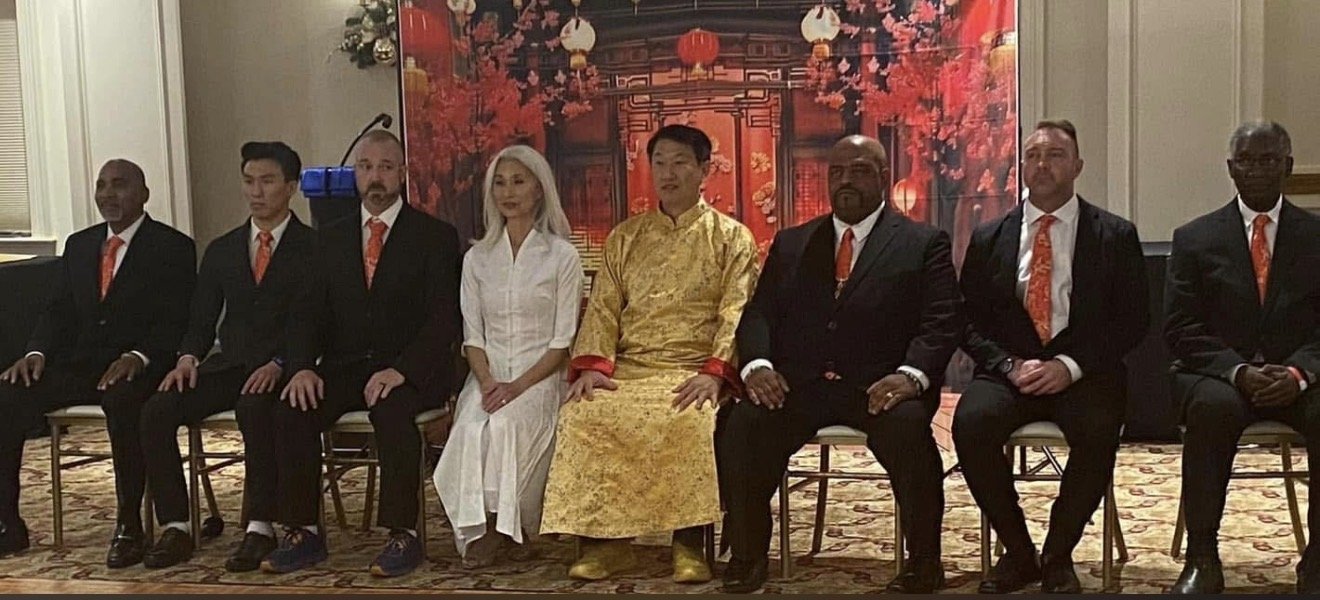
From research to rebirth — GM Meng 2015

From Research to Rebirth

After 1993–2015 lineage research, Meng turned to standardizing and teaching the recovered science as a living system.
Turning point Three contributions define the work: documenting two hidden secret-society lineages, study at the Northern and Southern temples, and synthesis into a reconstruction of Wing Chun’s earliest form. That reconstruction is Shaolin Wing Chun, preserved through the Shaolin Halls Method.
Key figures GM Meng; Simo Sunmi Park-Meng; senior VTM instructors
Shaolin Wing Chun mark 2015

A Documented Reconstruction

Shaolin Wing Chun is not a newly invented style or a stylistic rebranding. It is a documented reconstruction of the original combat science.

Establishment What emerged from the Red Flag and Black Flag synthesis carries both heritages: Red Flag battlefield efficiency and Black Flag clandestine pragmatism. Since 2015 Meng has led that rebirth and the building of the Dragon and Tiger Tracks.
Key figures GM Meng; Hung Lung Sin Fu Faat Mun Paai; SWC branch instructors
IV Archival plate
Method

Shaolin Halls Method

A developmental architecture—from foundation through maximum efficiency—becomes the curriculum spine of SWC.

Structure The Halls organize progression. The first halls coincide with Chi Sim’s body of knowledge. The later halls come from economy of motion and the Wing Chun Formula. They are the framework for Dragon Track teaching and Tiger Track training.
Key figures GM Meng; curriculum developers; Dragon Track instructors

Chapter V

Dragon & Tiger Tracks

2015 — Present

Preservation and implementation run in parallel—understanding the Dragon, expressing the Tiger.
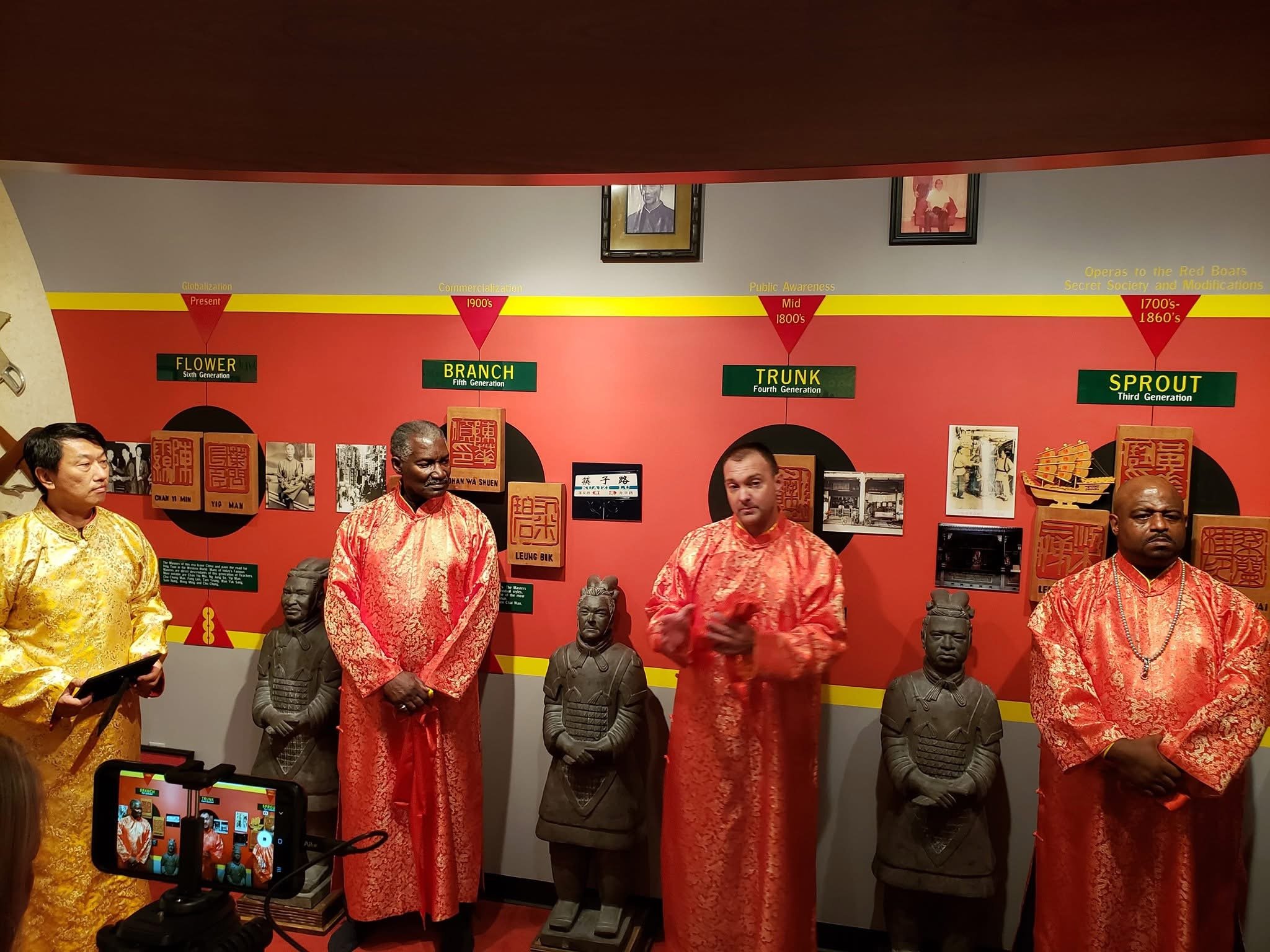
Dragon Track — preservation of Shaolin Wing Chun Dragon

Dragon Track — Preservation

Curriculum, teaching method, and instructor certification, framed by the Shaolin Halls Method.
Preservation The Dragon Track is the preservation side: standardizing curriculum, teaching method, and instructor certification so the history, philosophy, and science of the system can be passed on.
Key figures GM Meng; Simo Sunmi Park-Meng; certified Dragon Track instructors
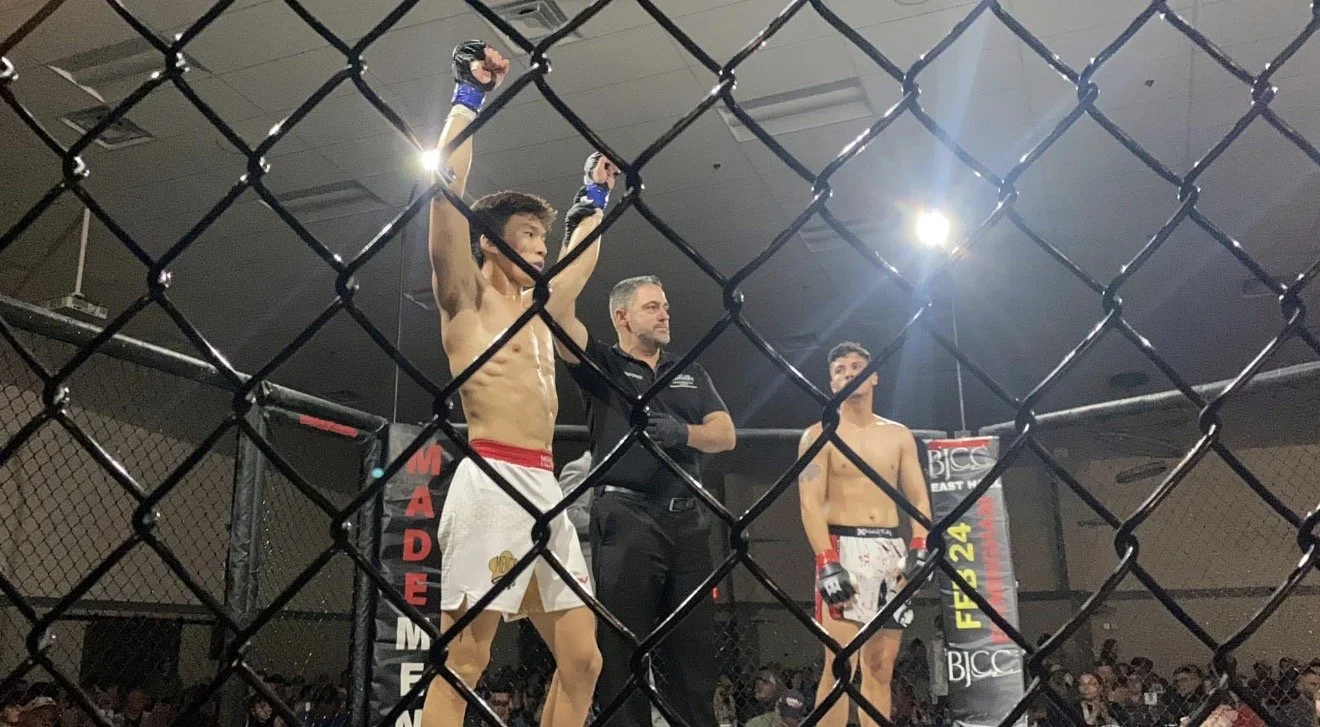
Tiger Track — implementation of Shaolin Wing Chun Tiger

Tiger Track — Implementation

Full-contact training, including Sanda and MMA, and competition under wushu and kuoshu federations.
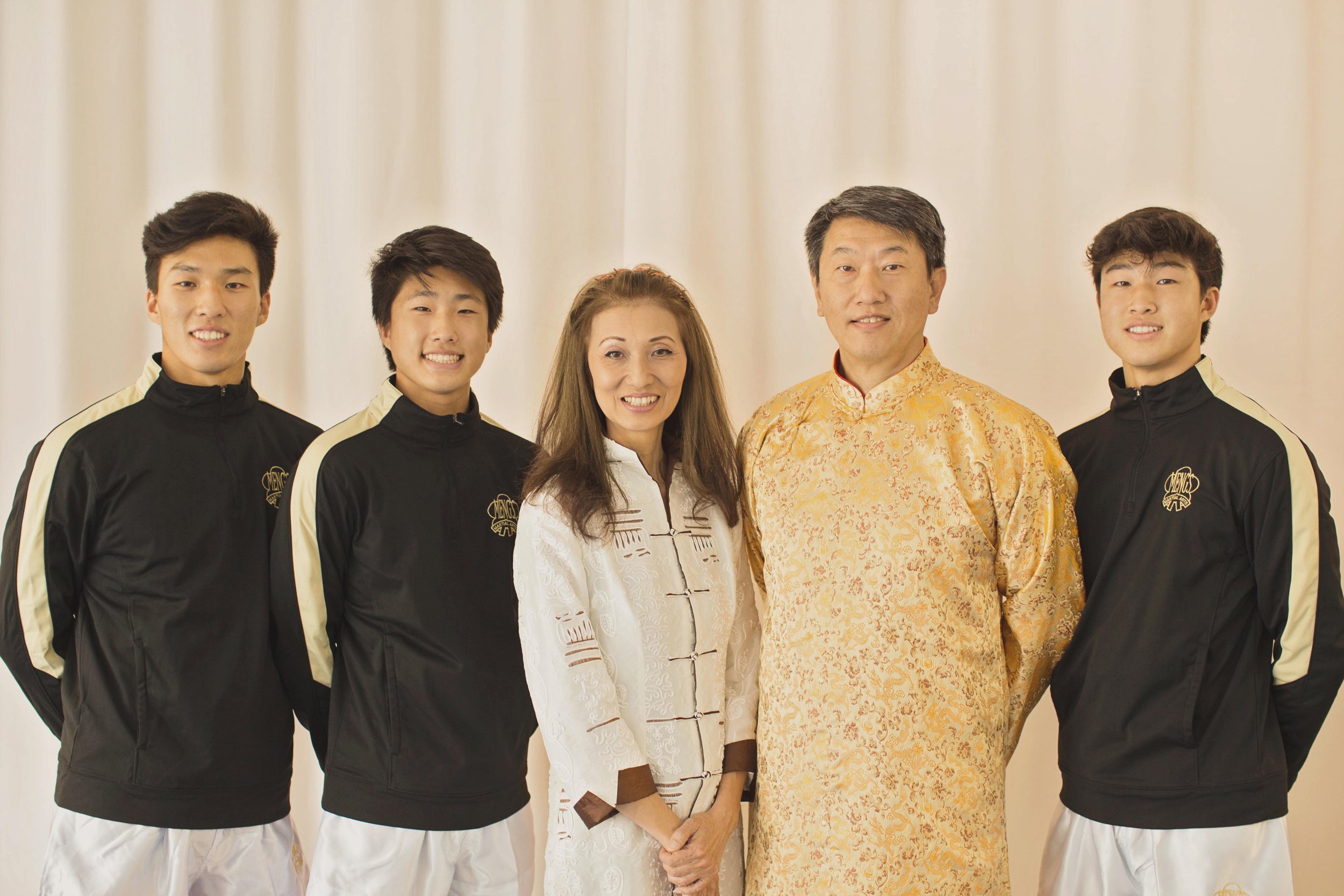
Implementation The Tiger Track is the implementation side: full-contact fighters, including Sanda and MMA. Wing Chun is an official event in the International Wushu Federation and the Kuoshu Federation. Formal world championships have been held since 2017, recognized by the USA Wushu Kung Fu Federation and the World Kuoshu Federation.
Key figures Master Vincent Meng; Spencer Meng; Derikson Meng; Senior Master Chango Noaks; Senior Master Brad Ryan
The Meng family as a living institution Family

The Meng Family as Living Institution

Simo Sunmi Park-Meng, Master Vincent Meng, and Spencer and Derikson Meng carry administration, competition, and training.

Continuity Simo Sunmi Park-Meng is counted in the 10th generation and ran Meng’s Martial Arts from January 1994. Master Vincent Meng is listed in the 11th generation and is called the next-generation standard-bearer; his recorded titles include Wing Chun national champion in 2017 and 2018, and 2022 Kuo Shu lei tai world champion. Spencer Meng was selected in 2024 for the first World Southern Shaolin Wing Chun finals. Derikson Meng earned 1st Degree Black Sash in December 2017. Spencer and Derikson are also listed in the 11th generation.
Key figures Simo Sunmi Park-Meng; Master Vincent Meng; Spencer Meng; Derikson Meng

Chapter VI

Recognition & World Stage

2014 — Present

Temple certification, dual Shaolin lineage recognition, high rank, and Wing Chun’s return to Southern Shaolin soil.
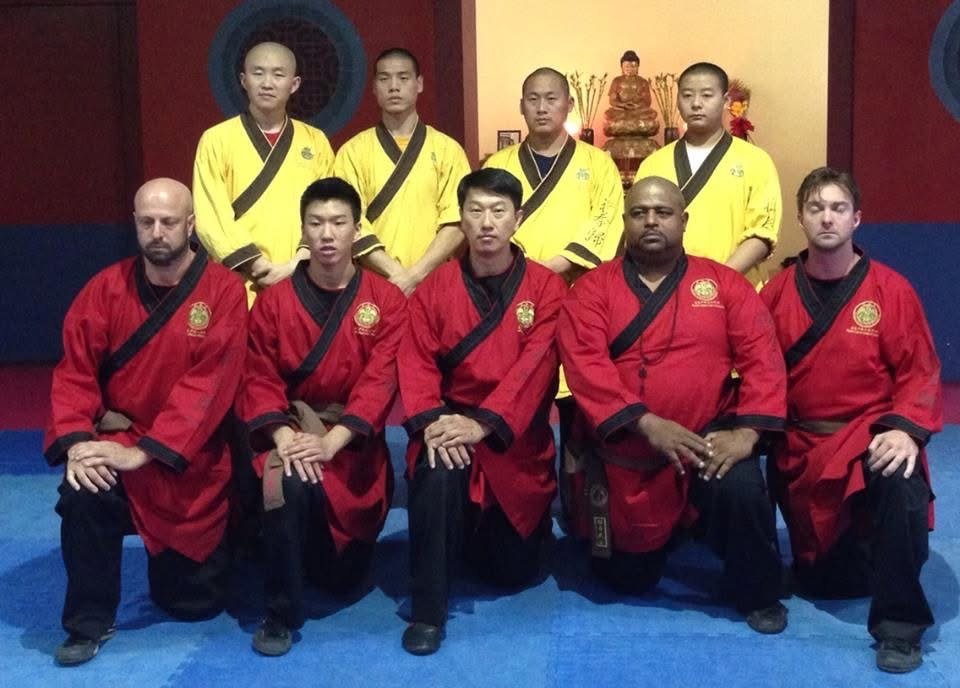
Shaolin certification of GM Meng 2014

Shaolin Certification

In 2014 Meng was among the first non-monks certified as an instructor in the Shaolin Temple’s warrior-monk curriculum.
Certification In 2014 the Shaolin Temple certified Meng as an instructor in the warrior-monk training curriculum, one of the first non-monks to receive that credential. He is also listed as a guest speaker at the Northern and Southern Shaolin Temples.
Key figures GM Meng; Shaolin Temple
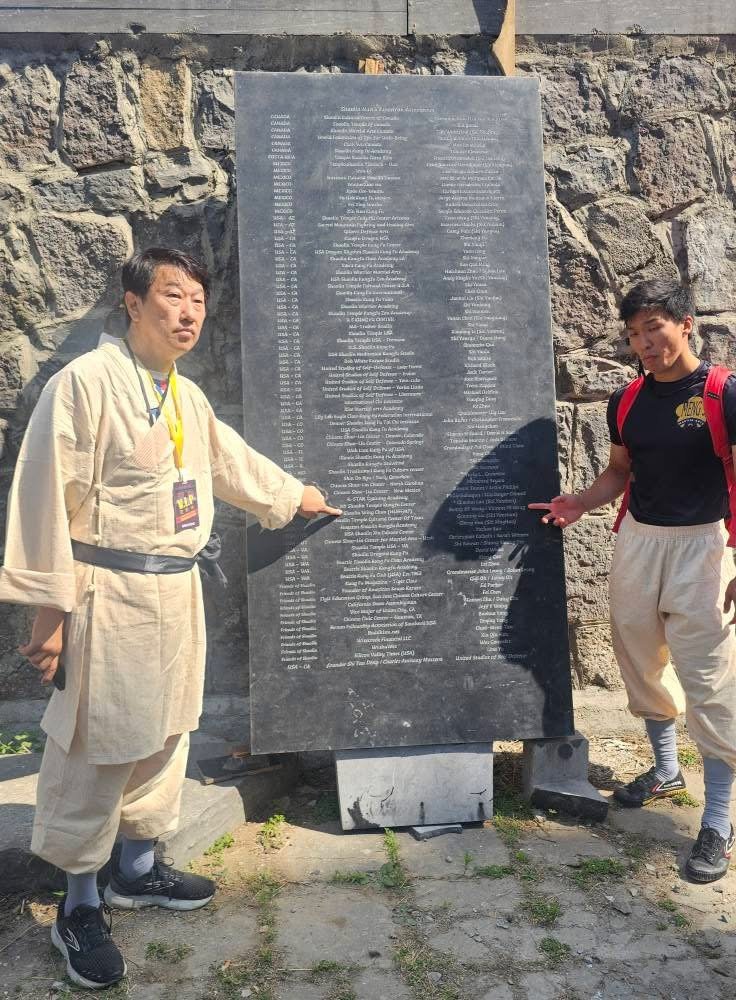
Shaolin recognition of Shaolin Wing Chun Temples

Shaolin Recognition

The Northern Shaolin Temple, the Southern Shaolin Temple, and the International Wushu Federation recognize Shaolin Wing Chun as a distinct lineage.
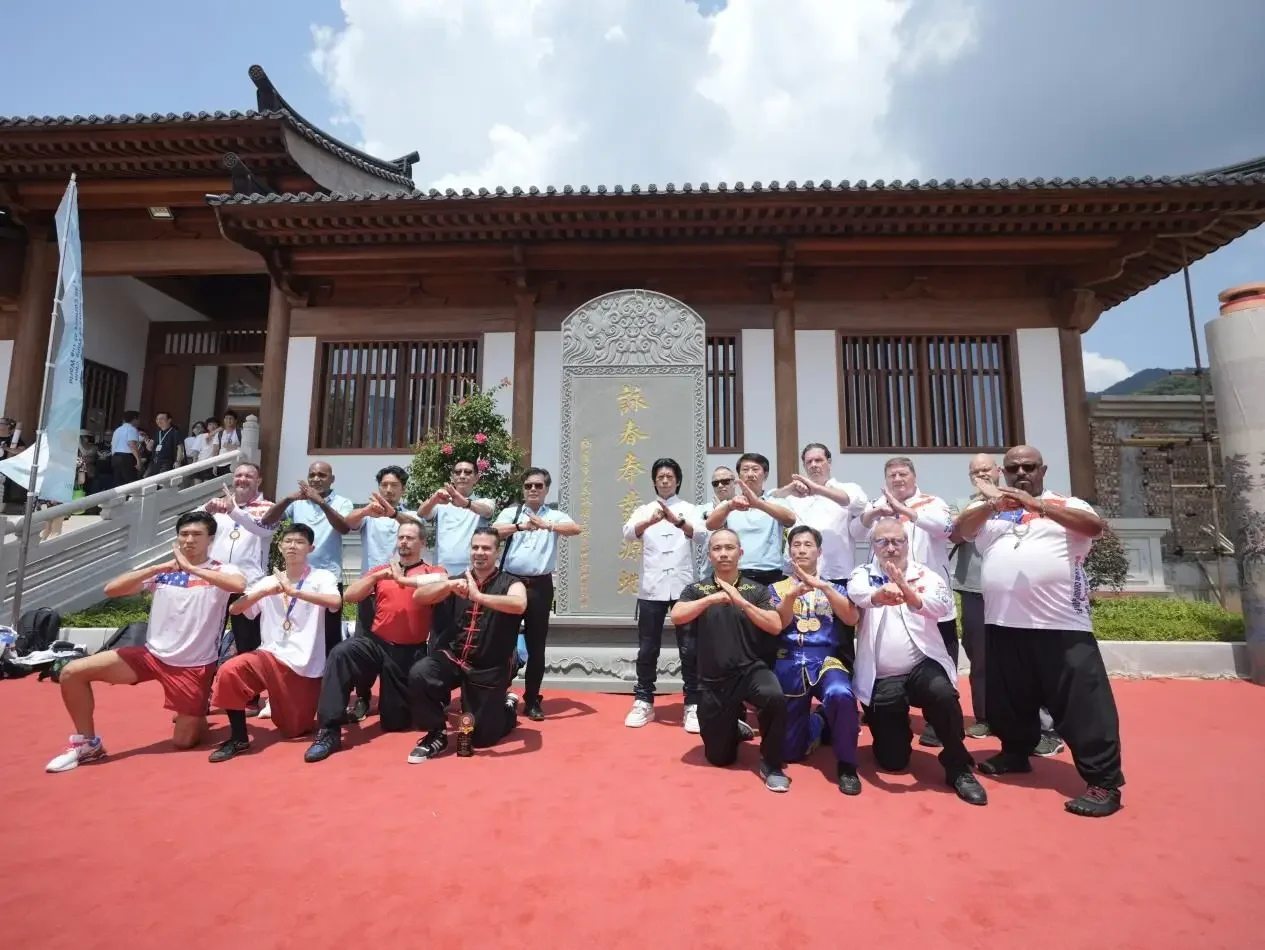
Temple lineage During Phase Two, both temples acknowledged Wing Chun as an original Southern Shaolin system and recorded that on stelae. Those stelae are undated. On 25 August 2024 a separate commemorative stele at the Fuqing Southern Shaolin Temple honored Wing Chun and Grandmaster Meng’s scholarship.
Key figures GM Meng; Northern & Southern Shaolin authorities
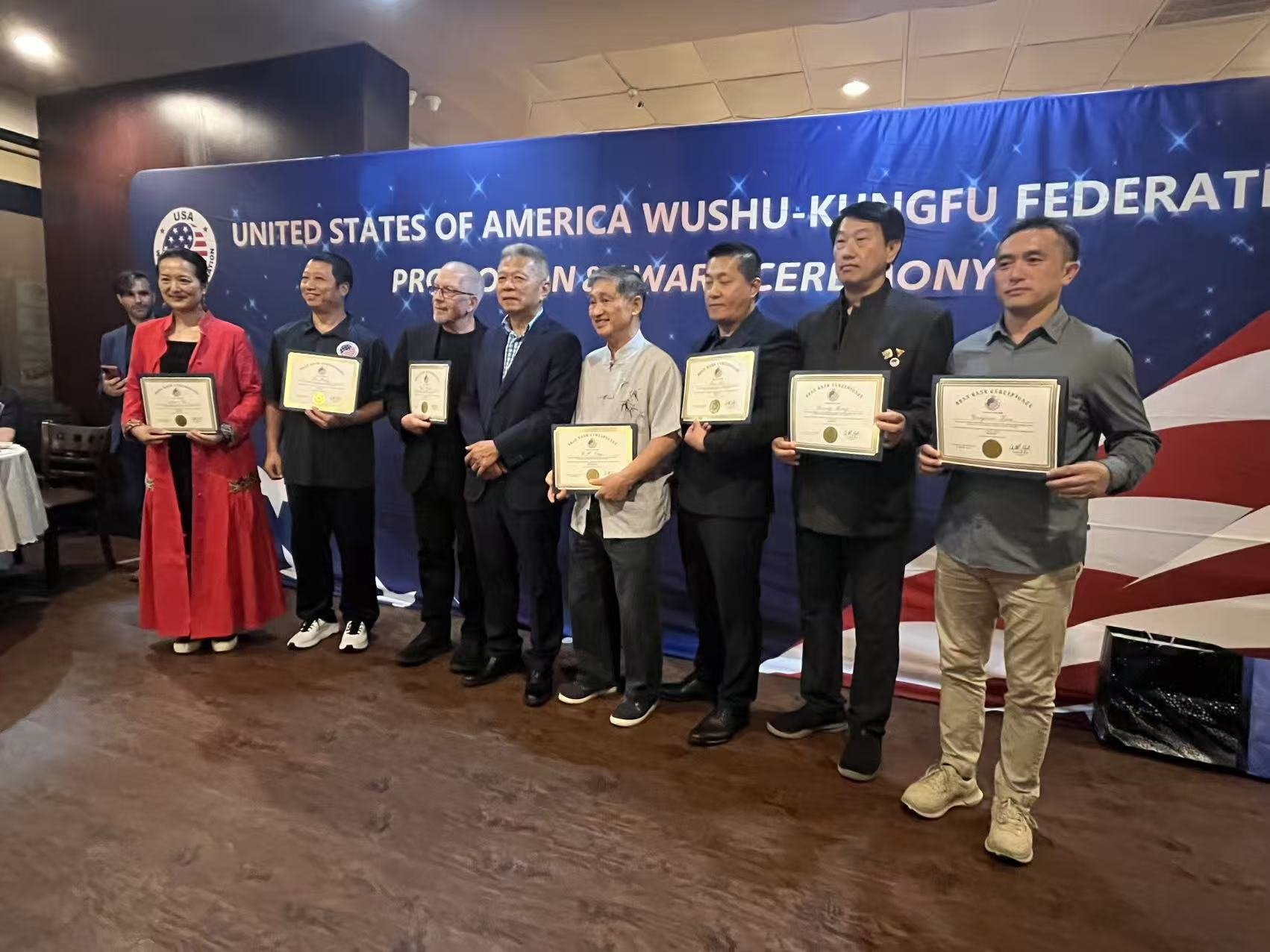
GM Meng receiving rank recognition at the United States Wushu-Kungfu Federation awards ceremony 2019–2025

Rank & Institutional Recognition

SWC recognized as a distinct lineage by Northern and Southern Shaolin Temples and the International Wushu Federation.
Credentials In 2019 the International Kuoshu Federation awarded Meng 8th Degree Grandmaster ranking. As of July 2025 the United States Wushu Kungfu Federation certified him 7th Degree Black Sash. He is National Wing Chun Director of that federation, and a Senior Instructor (7th Degree) of the Ving Tsun Athletic Association and the Moy Yat federation. In 2014 he was among the first non-monks certified as an instructor by the Shaolin Temple.
Key figures GM Meng; Northern & Southern Shaolin authorities; IKF & USAWKF leadership
World Southern Shaolin Wing Chun Championship 2024

World Championships at Southern Shaolin

Inaugural World Southern Shaolin Wing Chun finals, 25 August 2024, at the Fuqing Southern Shaolin Temple.

Homecoming The finals were held on 25 August 2024 at the Fuqing Southern Shaolin Temple, described as the first such gathering since the temple’s founding. About 1,000 entrants and 36 champions passed through nine venues, with events from 3 April, overseen by the Chinese Wushu Association and the Fujian Provincial Bureau of Sports. The book names a curated gathering of five lineages, including Shaolin Wing Chun (Meng), Ip Man Wing Chun, Leung Ting WingTsun, and Red Boat Wing Chun. Meng led a 40-member U.S. delegation and served as senior advisor and cultural emissary. U.S. gold medals included Vincent Meng and Spencer Meng in Biu Ji, Brad Ryan in Baat Jaam Dou, Alejandro Luera in the Six and a Half Point Pole, Ayla Nunnchi Gordon on the Wooden Dummy, Alexander Cheng in Chi Sao heavyweight, and a shared team Chi Sao gold. A commemorative stele was unveiled the same day.
Key figures GM Meng; Vincent Meng; Spencer Meng; Brad Ryan; Alejandro Luera; Ayla Nunnchi Gordon; Alexander Cheng