Chapter I
Shaolin Era
495 — 1644Northern temple roots, Chan Buddhism, and the long martial heritage that later armed Southern resistance.
 c. 495–520
Northern Roots
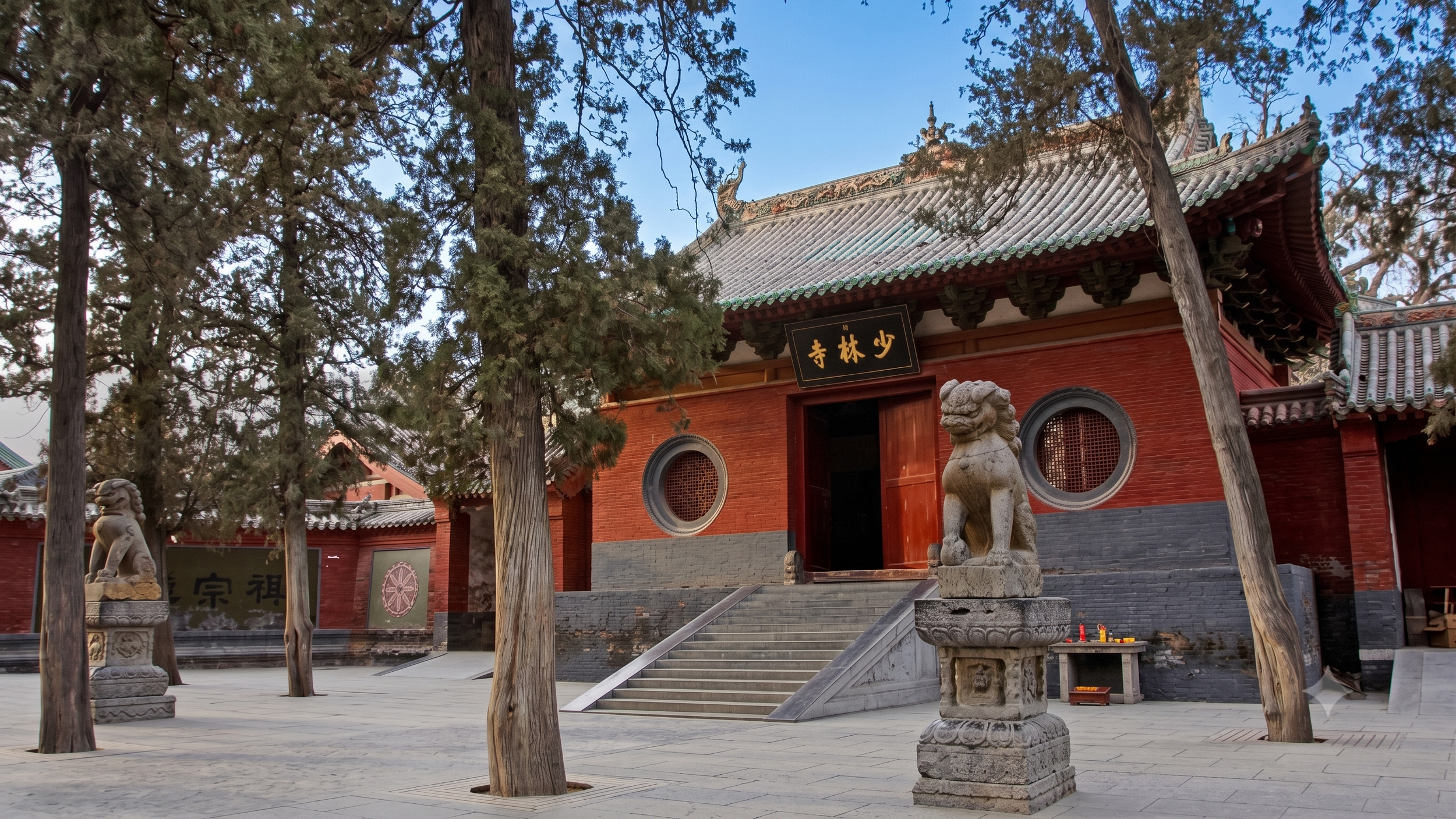
Songshan Shaolin rose as a center of martial and spiritual practice, shaped by Daoist, Confucian, and early Buddhist thought.
c. 495–520
Northern Roots
Songshan Shaolin rose as a center of martial and spiritual practice, shaped by Daoist, Confucian, and early Buddhist thought.
 527 — Tang
Chan Development
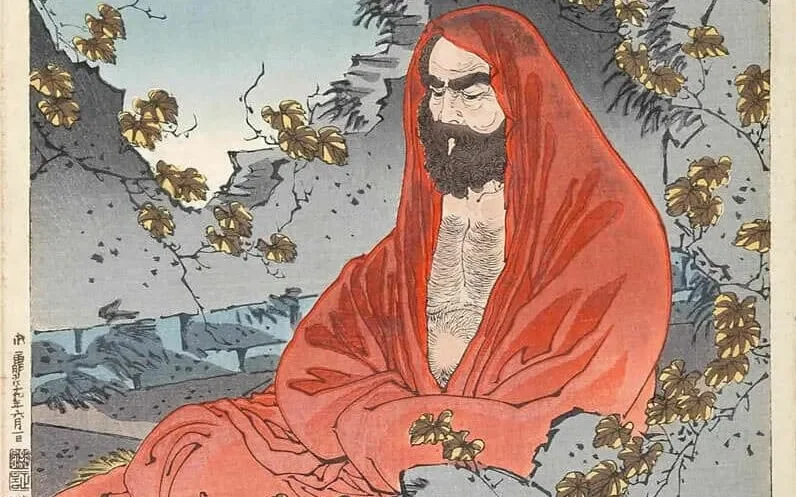
Bodhidharma’s Chan (Zen) took root at Shaolin; Southern Shaolin later carried that legacy into Fujian.
527 — Tang
Chan Development
Bodhidharma’s Chan (Zen) took root at Shaolin; Southern Shaolin later carried that legacy into Fujian.
 1644
Fall of the Ming
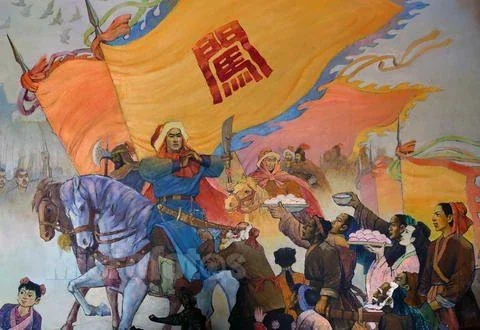
After Wu Sangui opened the Great Wall, the Ming fell and the Qing began. Ming remnants regrouped at Southern Shaolin.
1644
Fall of the Ming
After Wu Sangui opened the Great Wall, the Ming fell and the Qing began. Ming remnants regrouped at Southern Shaolin.
Chapter II
Secret Society
1644 — 1700At Southern Shaolin, secret societies and warrior monks forged a combat science for revolution—and sealed it under oath.
 1646
Hung Fa Wui & Hung Fa Ting
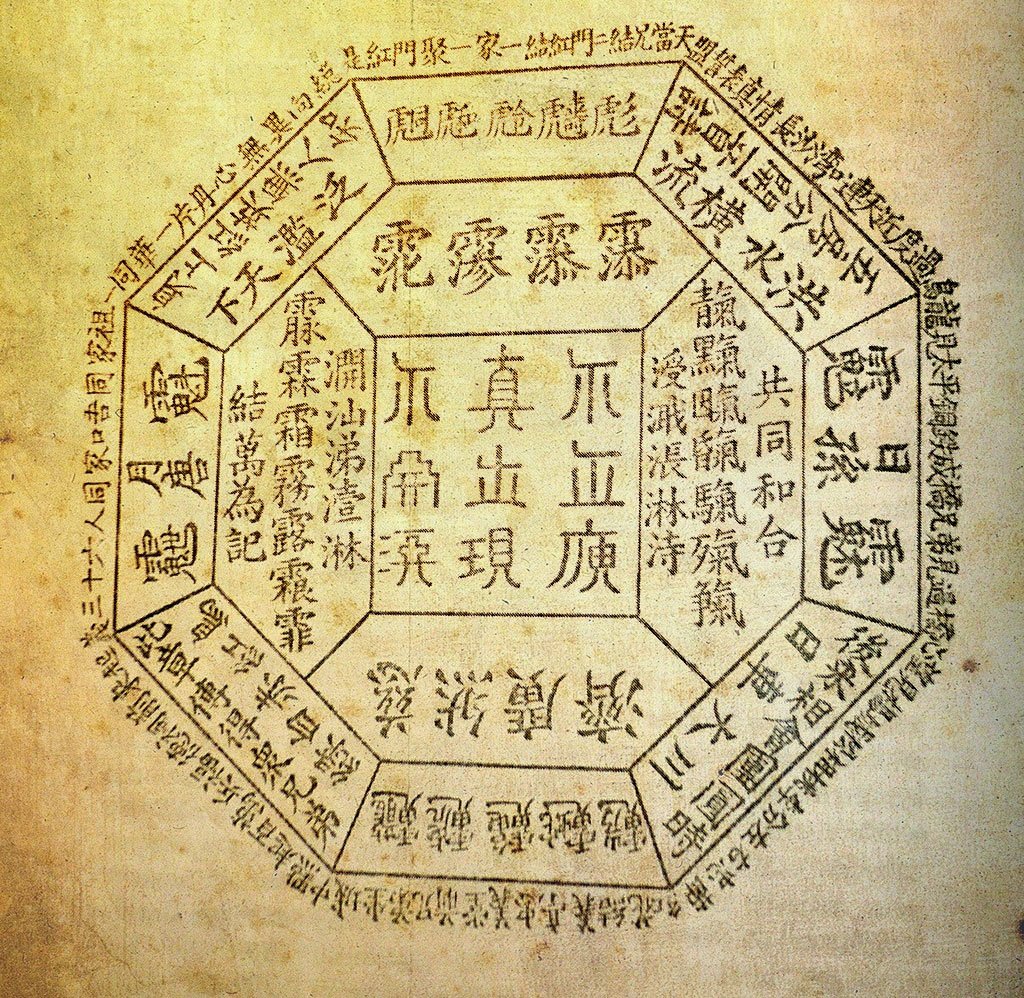
In 1646 the Red Flower Society formed at the Red Flower Pavilion. The battle cry was Fan Qing Fu Ming: Oppose the Qing, restore the Ming.
1646
Hung Fa Wui & Hung Fa Ting
In 1646 the Red Flower Society formed at the Red Flower Pavilion. The battle cry was Fan Qing Fu Ming: Oppose the Qing, restore the Ming.
 Mid–late 1600s
Wing Chun Tong & Chi Sim
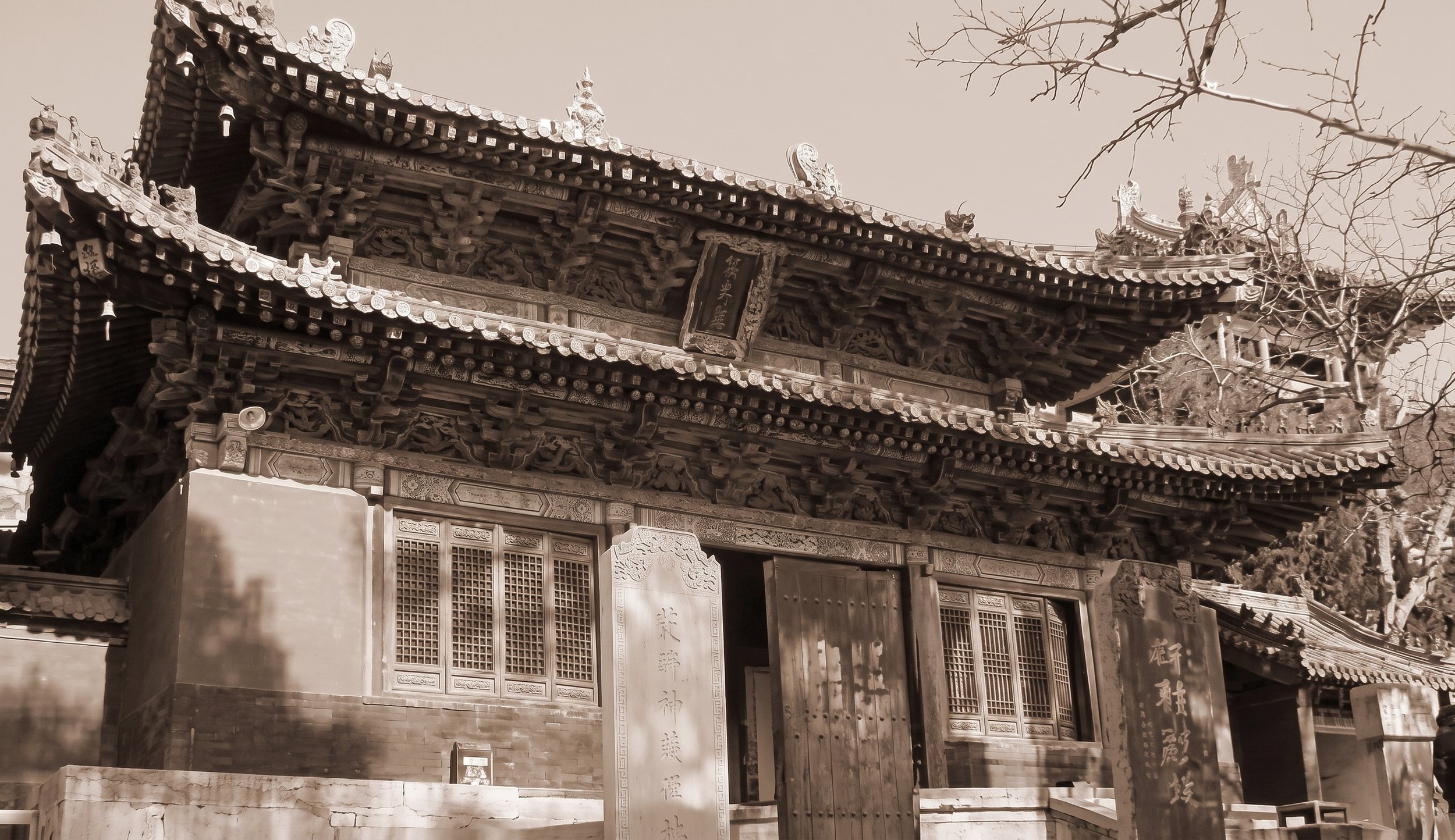
In the Weng Chun Dim, inside the Southern Temple, the cousin systems Weng Chun and Wing Chun began.
Mid–late 1600s
Wing Chun Tong & Chi Sim
In the Weng Chun Dim, inside the Southern Temple, the cousin systems Weng Chun and Wing Chun began.
 Late 1600s
Temple Fall & Dispersal
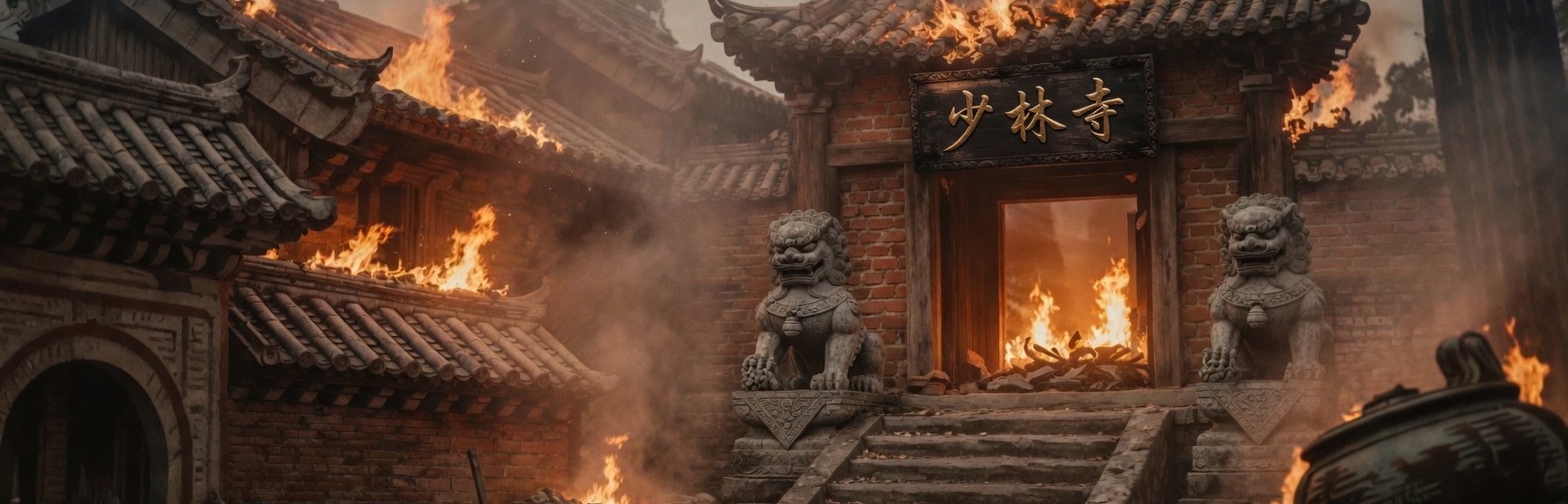
In the late 1600s, during the reign of Kangxi, Qing soldiers burned the Southern Shaolin Temple.
Late 1600s
Temple Fall & Dispersal
In the late 1600s, during the reign of Kangxi, Qing soldiers burned the Southern Shaolin Temple.
Chapter III
Canton Opera
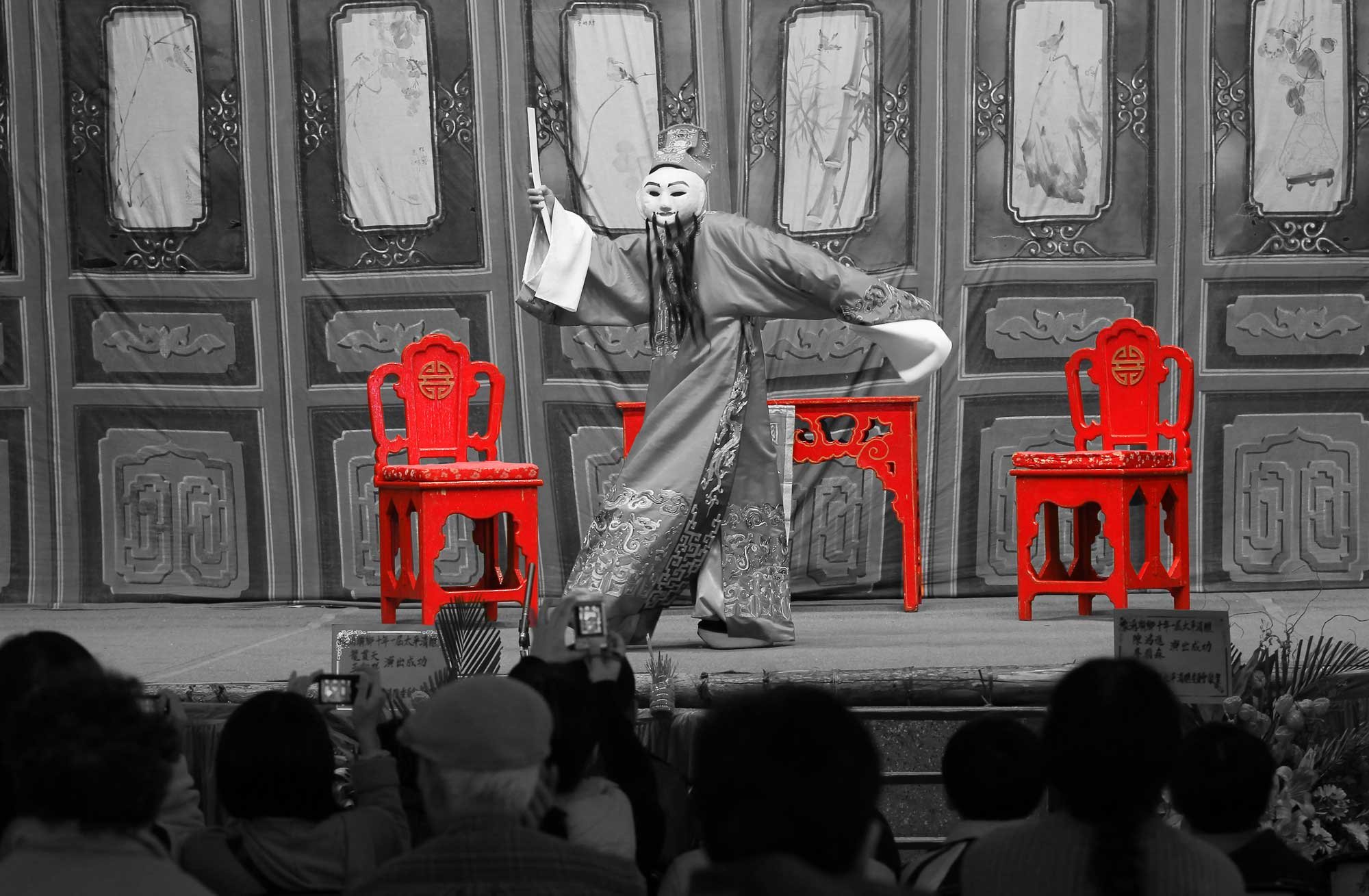
1700 — 1800In the 1720s Cheung Ng, known as Taan Sau Ng, organized an opera guild in Foshan as cover for the Hung Fa Wui. Cantonese opera reveres him as Si Jou.
 c. 1720s
Cheung Ng & the Guild
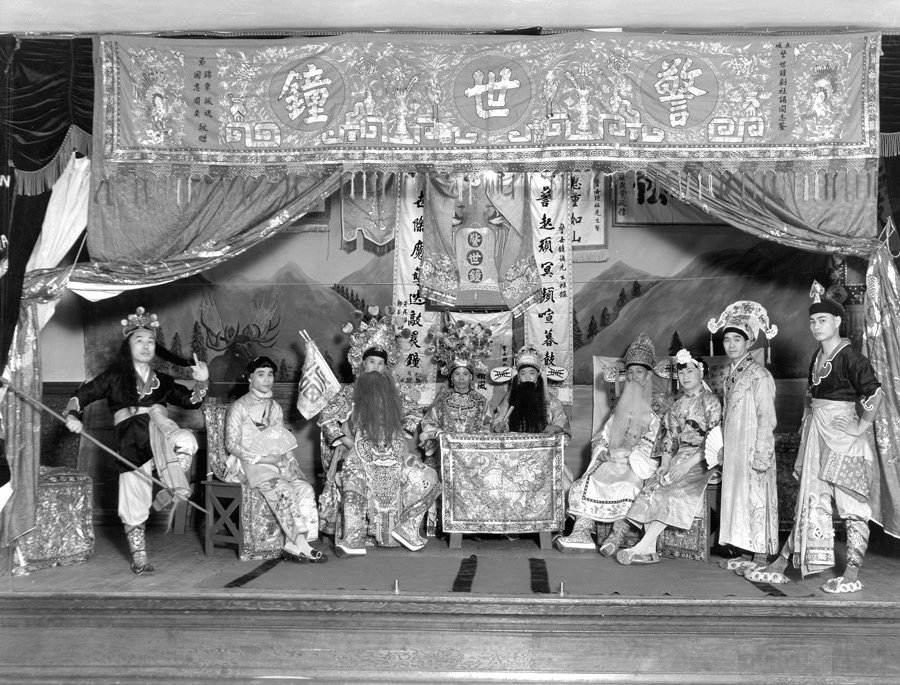
Cheung Ng (Taan Sau Ng) organized the King Fa Wui Gun in Foshan—the Beautiful Jade Flower Association—as the public face of the Hung Fa Wui.
c. 1720s
Cheung Ng & the Guild
Cheung Ng (Taan Sau Ng) organized the King Fa Wui Gun in Foshan—the Beautiful Jade Flower Association—as the public face of the Hung Fa Wui.
 1700s
Stage & Science
Taan Sau was both a stage gesture and a combat method. The next Red Flower generations passed the art under blood oath.
1700s
Stage & Science
Taan Sau was both a stage gesture and a combat method. The next Red Flower generations passed the art under blood oath.
Chapter IV
Red Boat Opera
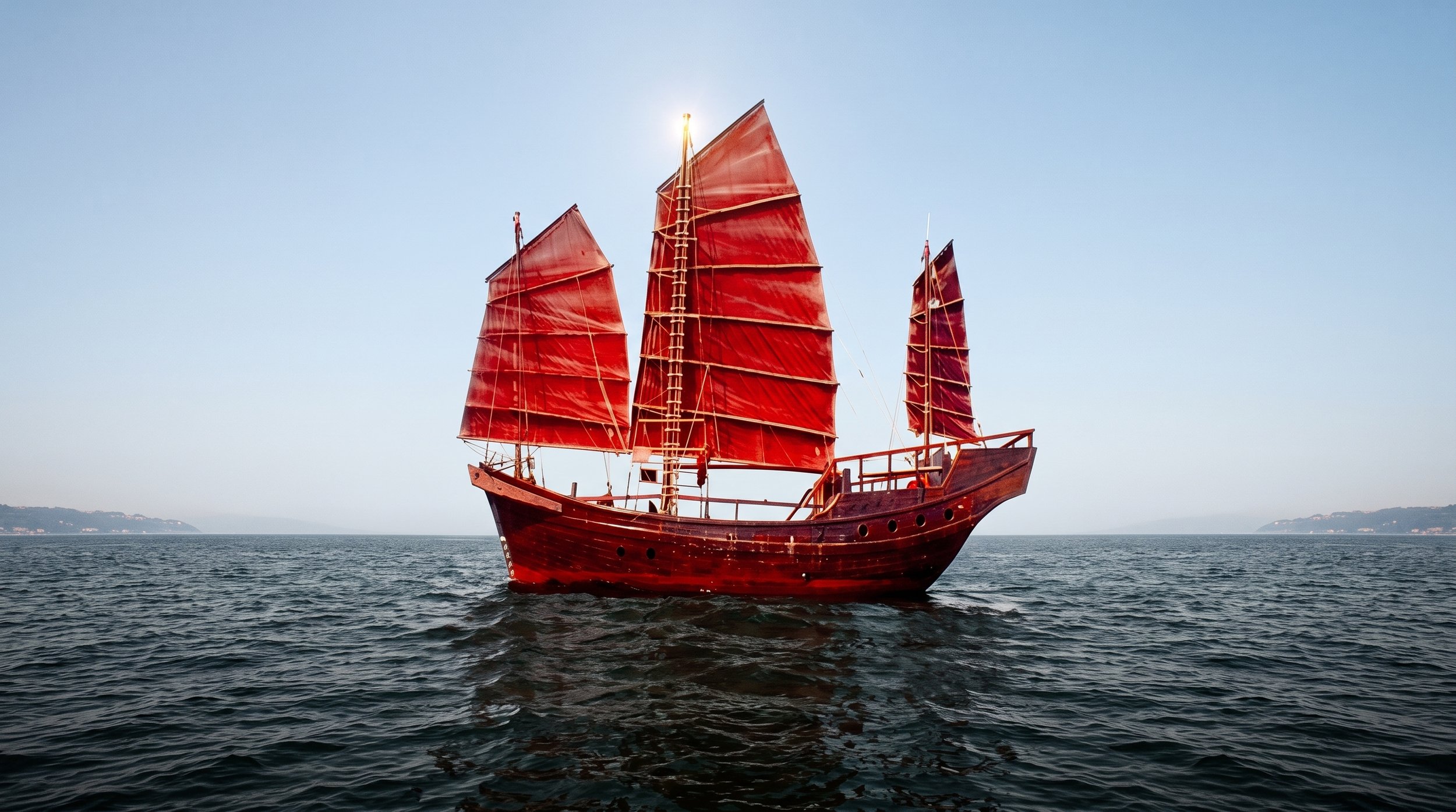
Early 1700s — 1855The Red Boat was a conduit, not the cradle. One passage places the troupes in the early 1700s; another places them about 140 years after Cheung Ng’s Foshan guild.
 Early 1700s–1855
The Red Boat as Conduit
Traveling Red Boat troupes carried the art along southern rivers. They were cover and conduit, not the place where the system was born.
Early 1700s–1855
The Red Boat as Conduit
Traveling Red Boat troupes carried the art along southern rivers. They were cover and conduit, not the place where the system was born.
 1855–1861
Uprising & the End of the Opera Era
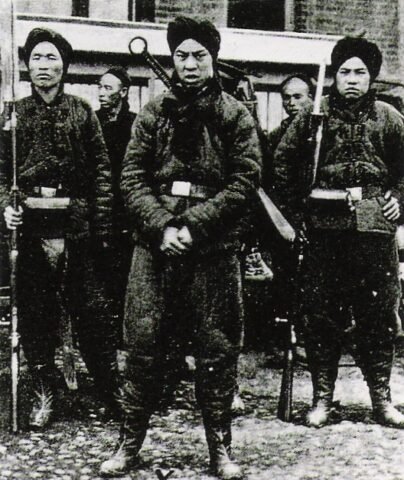
The 1855 uprising failed. From 1855 to 1861 the secret-society era ended and the public era began.
1855–1861
Uprising & the End of the Opera Era
The 1855 uprising failed. From 1855 to 1861 the secret-society era ended and the public era began.
Chapter V
Canton / Gwongdong
1855 — 1950sPublic awareness grew in Foshan and the Pearl River Delta. Civilian teachers reshaped the art for a new century.
 1860s–1900s
Public Awareness Era
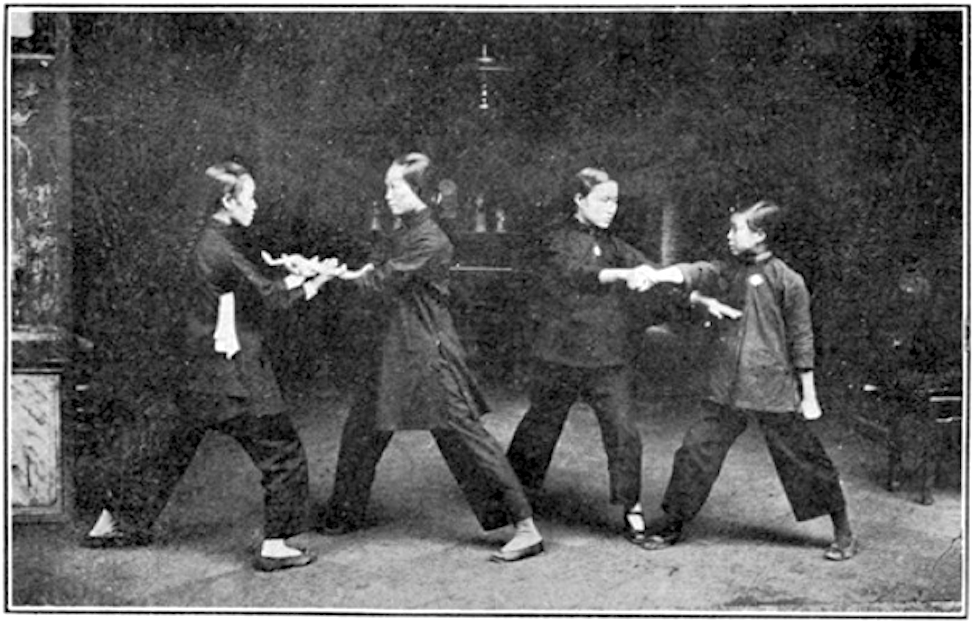
With opera cover gone, Wing Chun adapted in civilian hands—fragmented, local, and increasingly open.
1860s–1900s
Public Awareness Era
With opera cover gone, Wing Chun adapted in civilian hands—fragmented, local, and increasingly open.
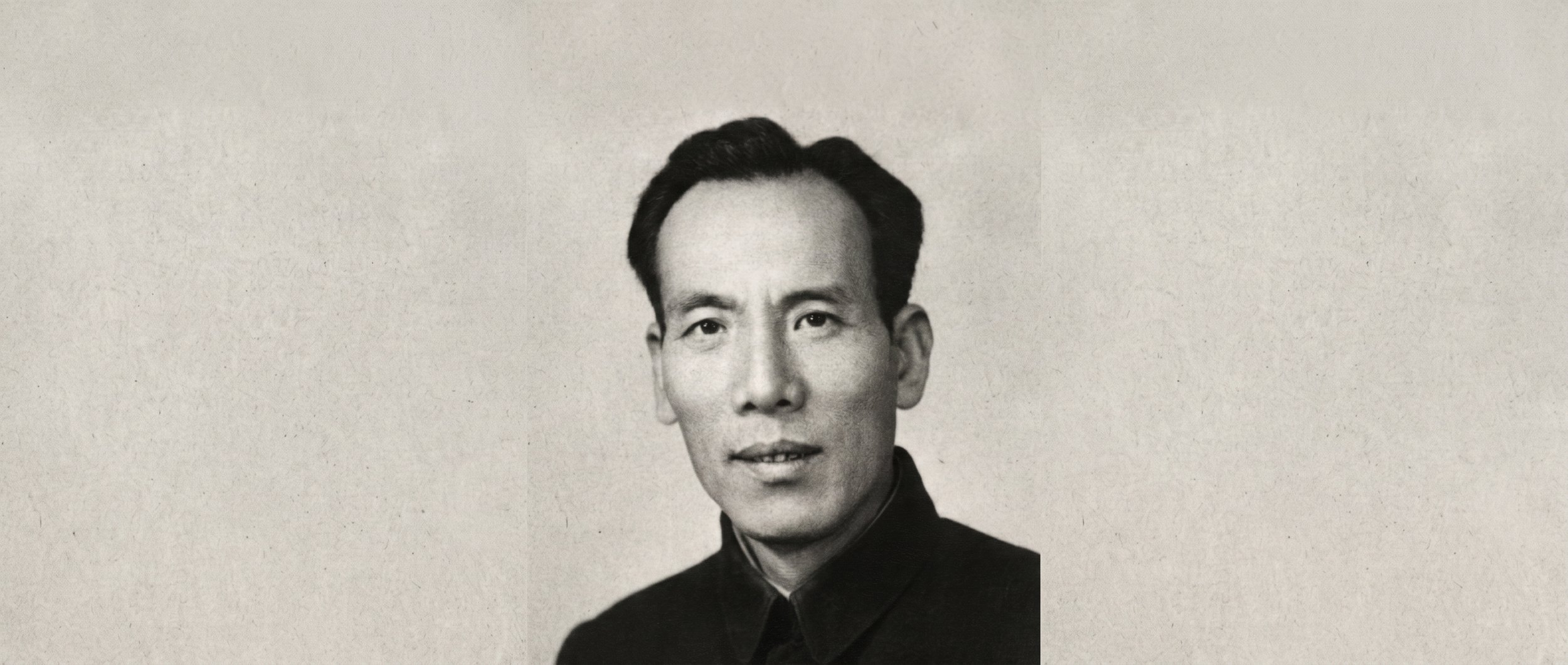 Late 1800s–early 1900s
Commercial & Civic Lineages
Chan Wah Shun was widely seen as the first to teach Wing Chun for a fee.
Late 1800s–early 1900s
Commercial & Civic Lineages
Chan Wah Shun was widely seen as the first to teach Wing Chun for a fee.
詠
Placeholder
1860s–1950s
The Yim Wing Chun Legend
The Yim Wing Chun story took hold in the public era. In this account she is a fictional cover, not a founder.
The Yim Wing Chun Legend
The Yim Wing Chun story took hold in the public era. In this account she is a fictional cover, not a founder.
黑
Placeholder
c. 1907–1909
Black Flag to Indonesia
The last known Black Flag chief instructor in China left for Indonesia and initiated King Yang. The book gives both 1907 and 1909.
Black Flag to Indonesia
The last known Black Flag chief instructor in China left for Indonesia and initiated King Yang. The book gives both 1907 and 1909.
Chapter VI
Hong Kong
1950s — 1990From the 1950s, the Ip Man line made Hong Kong a center of public Wing Chun. His students, and Bruce Lee’s films in the 1970s, carried it outward.
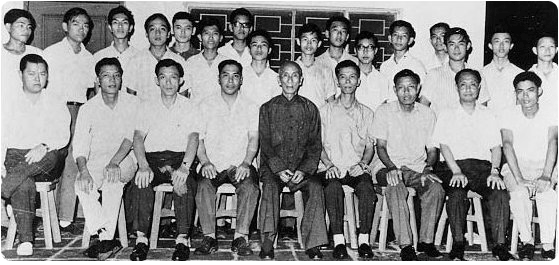 1950s
Ip Man in Hong Kong
The book places Ip Man in Hong Kong, in the public line of Leung Jan and Chan Wah Shun, and names him as Bruce Lee’s teacher.
1950s
Ip Man in Hong Kong
The book places Ip Man in Hong Kong, in the public line of Leung Jan and Chan Wah Shun, and names him as Bruce Lee’s teacher.
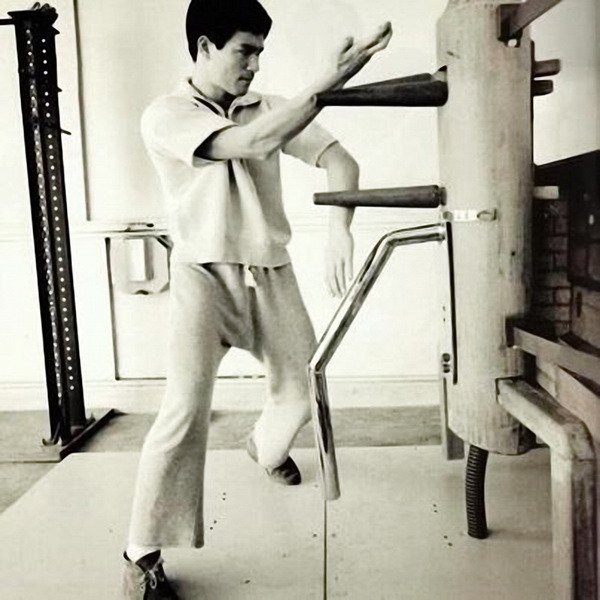 1950s–1970s
Students & the Global Spark
Ip Man’s students built the public schools. Bruce Lee’s films in the 1970s carried Wing Chun to a wide audience.
1950s–1970s
Students & the Global Spark
Ip Man’s students built the public schools. Bruce Lee’s films in the 1970s carried Wing Chun to a wide audience.
1982
Placeholder
1982–1985
Lee Hoi Sang and Moy Yat
In 1982 Sifu Lee Hoi Sang began Grandmaster Benny Meng’s formal Wing Chun training in Hong Kong. In 1985 Meng continued under Sifu Moy Yat in New York.
Lee Hoi Sang and Moy Yat
In 1982 Sifu Lee Hoi Sang began Grandmaster Benny Meng’s formal Wing Chun training in Hong Kong. In 1985 Meng continued under Sifu Moy Yat in New York.
Chapter VII
International
1993 — PresentIn 1993 Grandmaster Benny Meng founded the Ving Tsun Museum. Since 2015 he has led the rebirth of Shaolin Wing Chun.
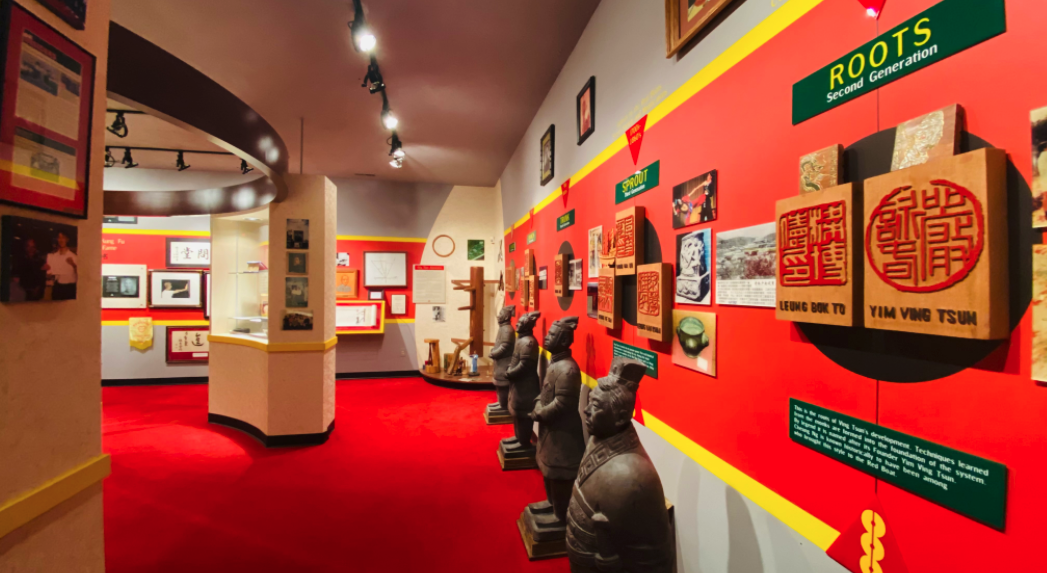 1993—
Ving Tsun Museum & Research
At Moy Yat’s urging, Grandmaster Benny Meng founded the VTM to study the art—not a single teacher.
1993—
Ving Tsun Museum & Research
At Moy Yat’s urging, Grandmaster Benny Meng founded the VTM to study the art—not a single teacher.
1999
Placeholder
1999
Red Flag Shown in Public
In 1999 the Ving Tsun Museum introduced Red Flag, also called Hung Fa Yi Wing Chun, to the public.
Red Flag Shown in Public
In 1999 the Ving Tsun Museum introduced Red Flag, also called Hung Fa Yi Wing Chun, to the public.
 2000s–Present
Shaolin Recognition & Global Network
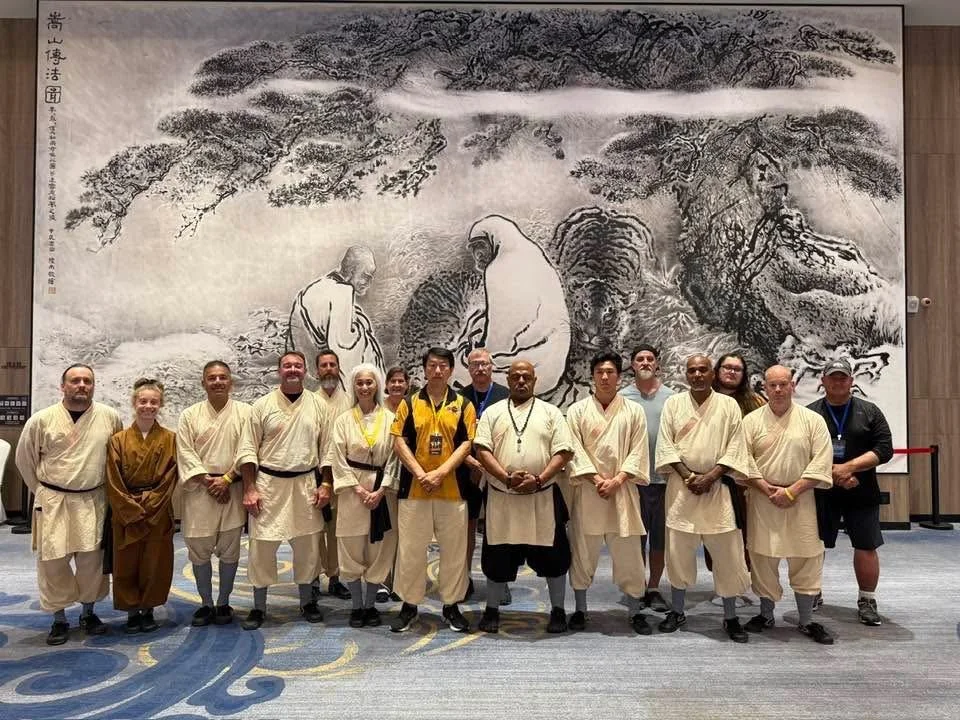
Both Shaolin temples and the International Wushu Federation recognize Shaolin Wing Chun as a distinct lineage. The 2024 Fuqing finals brought the art back to Southern Shaolin ground.
2000s–Present
Shaolin Recognition & Global Network
Both Shaolin temples and the International Wushu Federation recognize Shaolin Wing Chun as a distinct lineage. The 2024 Fuqing finals brought the art back to Southern Shaolin ground.